Manufactured scarcity is everywhere. It’s when something is made rare not because it’s hard to produce, but because someone decided it should feel more valuable if it seemed harder to get. From sneaker drops to luxury bags that mysteriously vanish only to return as “exclusives,” and even to cafés claiming their croissants sell out by noon, scarcity makes us crave things we didn’t even know we wanted. And science says our brains are wired to fall for it.
The Power of “Limited Edition”
Take the classic “limited edition.” A plain water bottle suddenly looks like treasure once you see those two words. Psychologists call this the scarcity effect: the less available something seems, the more desirable it becomes (Gupta, 2013). It’s the secret sauce of hype culture, turning us into kids at a toy store again – eyes wide, urgency irrational, wallets wide open.
When Rarity Isn’t Real – The Thrill of the Chase
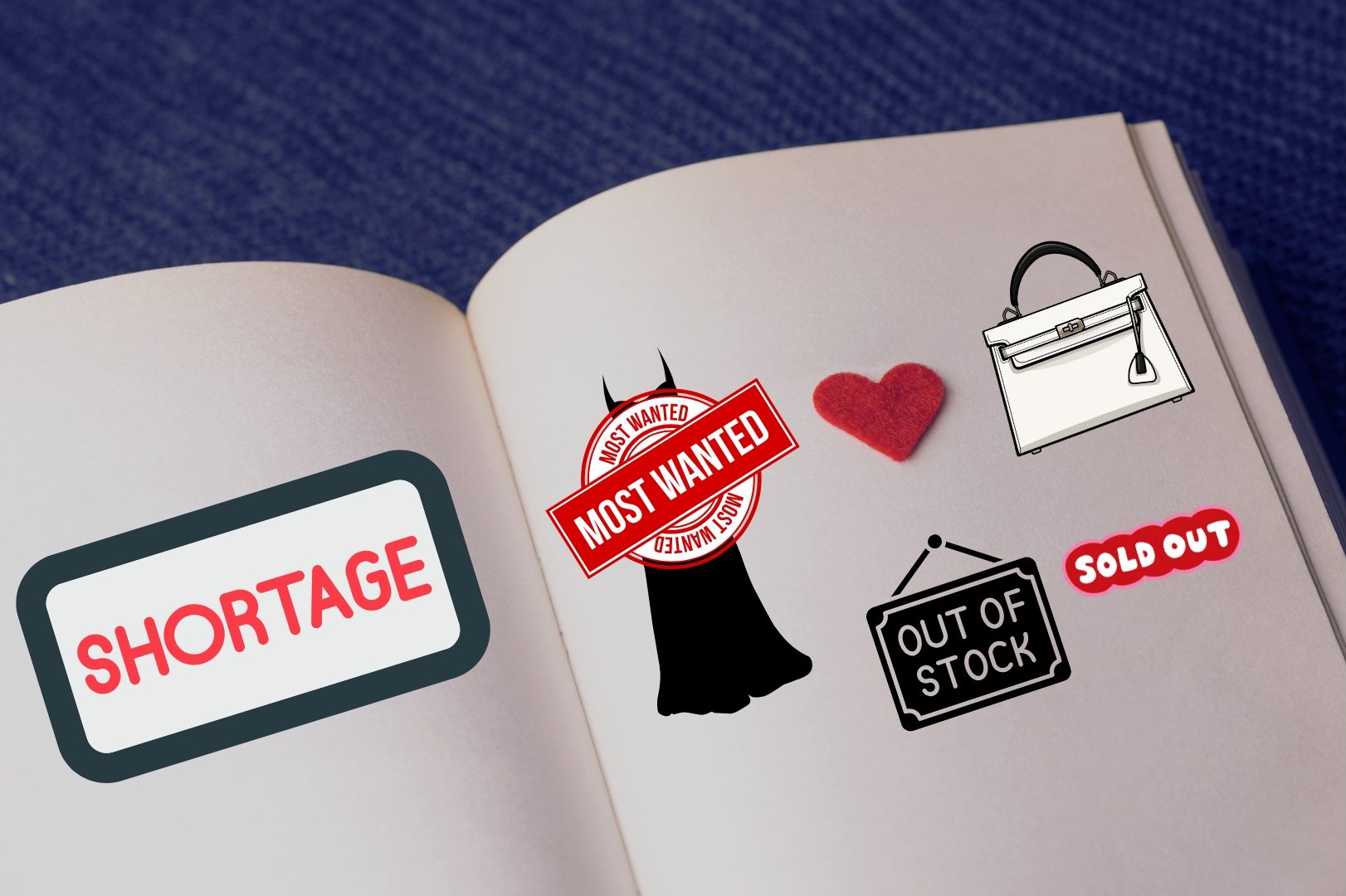
Of course, not all scarcity is real. During the pandemic, toilet paper shortages were genuine. But when a fashion collab says only 100 hoodies exist while warehouses are quietly full, that’s theater. One is survival, the other is strategy, and our brains rarely bother to tell the difference. Luxury takes this to extremes: Burberry once admitted to burning millions’ worth of unsold merchandise to maintain exclusivity (Burberry, 2018). It sounds absurd, but it works. Desire grows when denial is built in.
We don’t just crave things, we crave the chase. It’s the same reason someone who texts you back immediately feels less exciting than the one who leaves you on “read” for three hours. Scarcity makes attention, like products, feel more valuable. Mystery drops and blind-box toys use the same trick: the thrill isn’t in finally getting it, it’s in the anticipation, the maybe, the almost. Neuroscience shows unpredictable rewards trigger the strongest dopamine hits (Shafir, 2014). Our brains don’t spike at possession; they spike at pursuit.
Scarcity Mindset in Society
And this mindset doesn’t stop at consumer goods. Even in wealthy societies, we cling to scarcity stories: not enough time, not enough money, not enough opportunity. Philanthropy experts call this “manufactured scarcity” in social systems too, where resources exist but are framed as limited to keep control (Center for Effective Philanthropy, 2023). Influencers monetize it daily: 24-hour discount codes, expiring “exclusive” content, and countdown timers designed to turn attention into urgency. FOMO isn’t an accident, it’s engineered.
Scarcity even slips into love. The less available someone seems, the more magnetic they feel. The same psychology that fuels sneaker drops also fuels romantic anxiety. Social media only amplifies it: likes, replies, and stories become currency, rationed to keep you hooked.
Manufactured scarcity isn’t going anywhere, it works too well. But once you see it, you can laugh at it. The next time someone whispers “only three left in stock” or “cart expires in 10 minutes,” remember: chances are, there’s plenty more in the back. Same with dating apps, he looks limited edition, but you’ll find out the hard way he’s mass-distributed.
Further Reading
The Illusion of Choice: Do Dating Apps Really Help?
→ How dating apps framing abundance but selling scarcity.
→ When something “rare” is kept from the very person who created it.
What Love and Sovereign Wealth Funds Have in Common
→ Explore how value and scarcity are managed, not always naturally occurring.
Reality Is Glitched – Know Where You’re Escaping To
→ A cultural lens on how digital systems manufacture illusions of scarcity and abundance in everyday life.