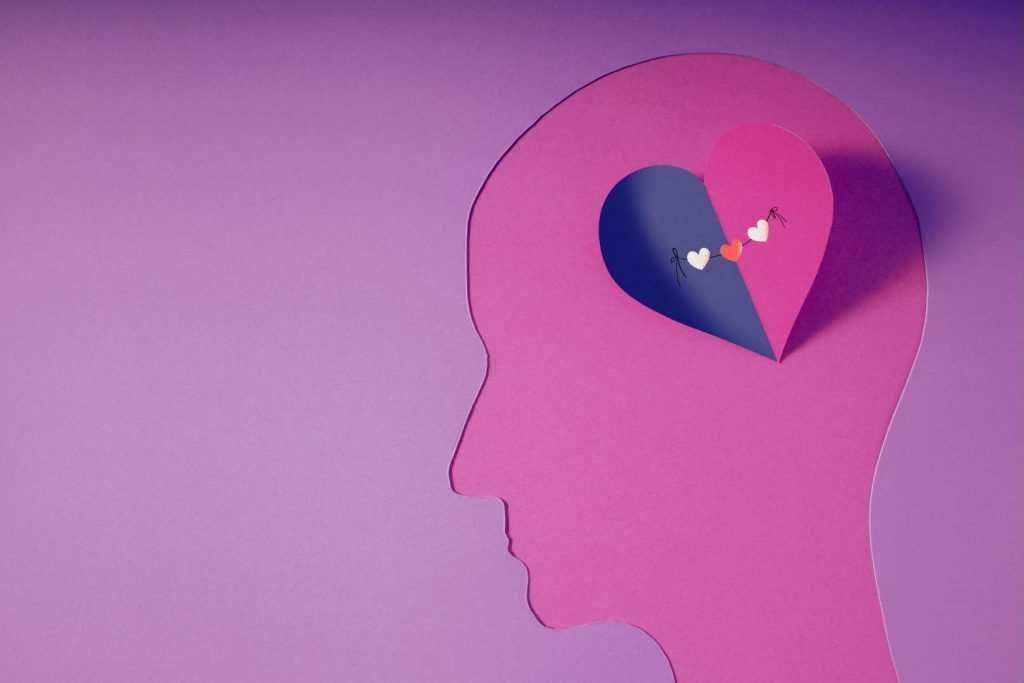
Why we ignore red flags in love – Falling in love feels like magic, the kind that makes you excuse things you swore you’d never tolerate. One day you’re spotting red flags; the next, you’re saying, “No, really, they’re different.”
Science says that’s not bad judgment. It’s biology.
When you fall in love, your brain rewires itself. The ventral tegmental area and caudate nucleus, the same reward circuits triggered by addictive substances, light up every time you think about them. Dopamine floods your system. A “good morning” text becomes a high.
And here’s the twist: love literally makes you blind. Early romance quiets the brain regions responsible for judgment and negative emotions. Biologically, we gaslight ourselves. The red flags don’t disappear, your brain edits the story so they feel less threatening, essentially, as neuroscientist Helen Fisher puts it, “bond first, question later.”
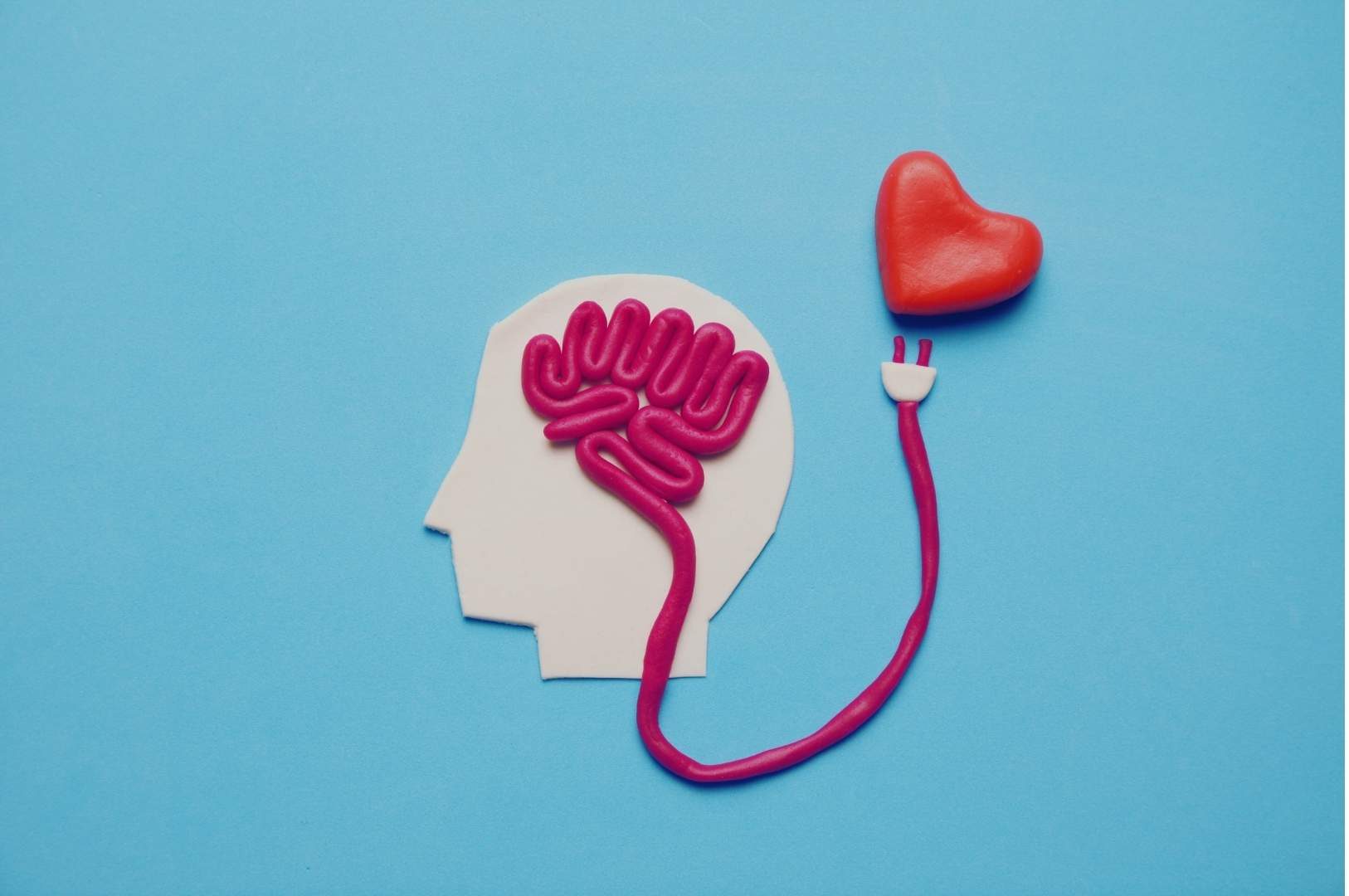
But biology is only part of it. Psychology decides how you ride this high. Then, there’s attachment, psychologists Hazan & Shaver argue that how we ride this high depends on the love we learned early in life. If you grew up with stable love, you can enjoy it. If you learned that love is chaos, this stage can feel like survival. Those red flags? They might not even register as danger. They might register as familiar.
And then there’s culture. We were raised on stories that confuse obsession for passion. Suffering for devotion. Movies told us chaos means chemistry. Families praised endurance as loyalty. So when your brain edits out the danger, it’s not just chemicals, it’s centuries of storytelling making pain feel romantic.
This is why early love feels intoxicating. It’s biology hooking you in, psychology replaying old scripts, and culture giving you a script where red flags are plot twists instead of warnings.
Love, as it turns out, is everything we are, our chemistry, our history, and the stories we were brave enough to believe.
Further Reading on VaginaSauna
If love can feel like survival, so can showing up for a world that doesn’t always meet you halfway. Read: Keep Going Anyway: The Messy Middle of Inclusion
Our cultural scripts don’t just shape romance — they shape everything. Read: Sex Positivity Is the New Dress Code
Ever wondered how we turned rebellion into an aesthetic? Read: The Villain Era Is a Marketing Lie
We’re emotional creatures first, logical ones second. Read: 2025: The World Is in Its Feelings This April
If you like metaphors that make love and economics feel strangely alike. Read: What Love and Sovereign Wealth Funds Have in Common