From billion-dollar blockbusters to indie head trips, you’ve seen these movies – but did you know these are movies directed by women?
Women Behind the Camera: Progress and Persistent Gaps
Women are directing more films than ever before, but we’re far from parity—and even farther from recognition.
According to the USC Annenberg Inclusion Initiative:
- In 2023, women directed 12.1% of the top 100 films.
- In 2024, that number rose to 13.4%.
While these numbers show improvement, they also reveal how deeply gender disparity remains. Most female-directed films still receive limited release and lack marketing support. Despite momentum, women still account for fewer than 15% of directors on top-grossing films.
That’s why this list exists—to highlight the bold, brilliant, and unexpected movies directed by women that have shaped pop culture without always getting the credit.
Blockbusters and Franchise Movies Directed by Women
Twilight (2008) – Catherine Hardwicke
A vampire romance turned cultural juggernaut. Hardwicke set the tone for an entire genre of YA adaptations.
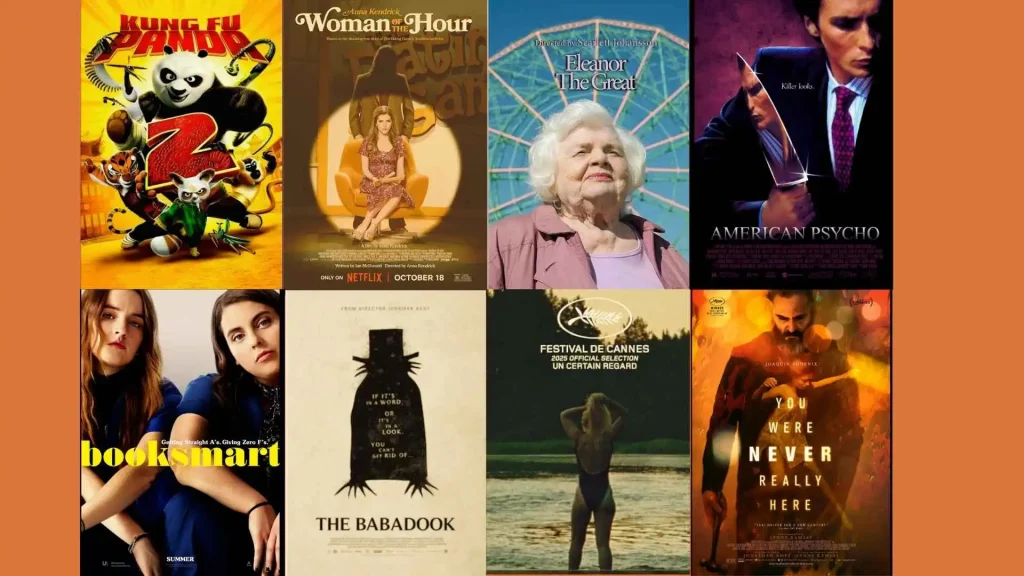
Kung Fu Panda 2 (2011) – Jennifer Yuh Nelson
One of DreamWorks’ highest-grossing animated sequels, directed by a Korean-American woman, a rarity in Hollywood animation leadership.
Wonder Woman (2017) – Patty Jenkins
Jenkins made history with this superhero film, grossing over $800M worldwide. It proved that women can lead and direct high-stakes action franchises.
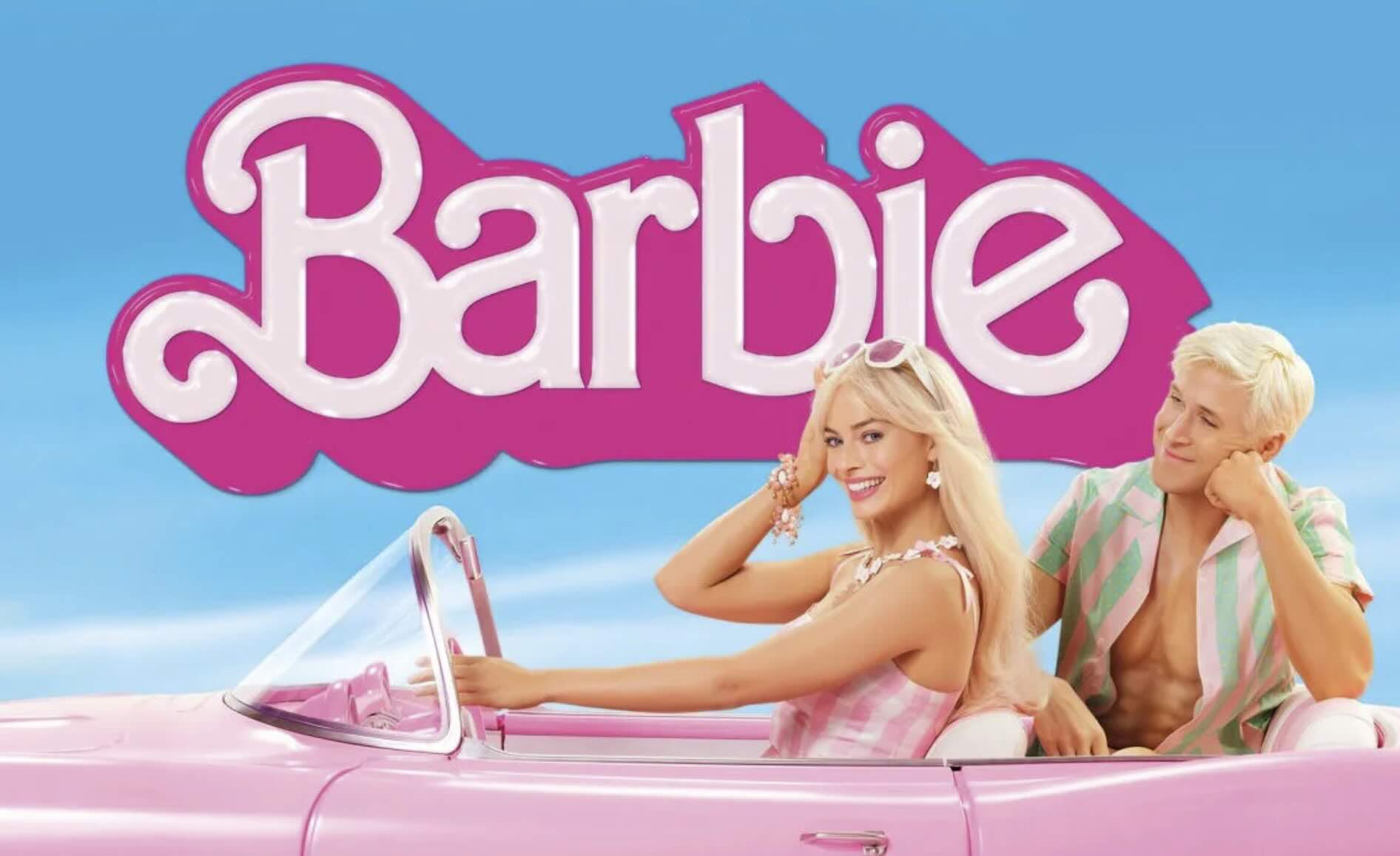
Barbie (2023) – Greta Gerwig
The highest-grossing film by a solo female director. Gerwig turned pop culture into a billion-dollar feminist satire.
Rewriting True Crime
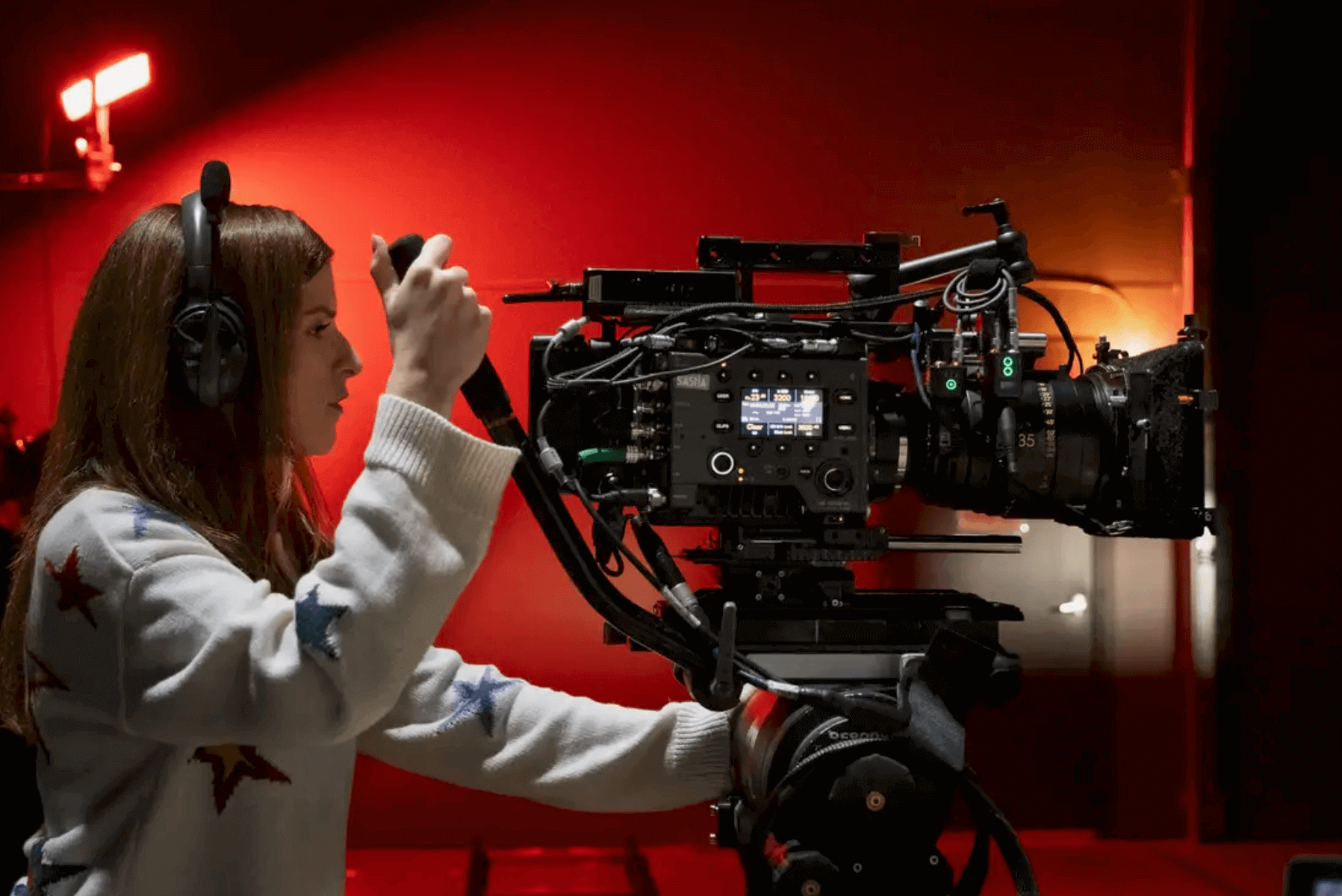
Woman of the Hour (2024) – Anna Kendrick
Based on the real story of serial killer Rodney Alcala, who appeared on The Dating Game in 1978. Kendrick directed, produced, and starred in the film, which premiered at TIFF and was released by Netflix in October 2024.
Instead of glamorizing violence, Kendrick centers the experience of Cheryl Bradshaw, the contestant who unknowingly chose Alcala. It’s tense, sharp, and emotionally intelligent, a remarkable debut.
Indie Darlings & Awards Surprises
Booksmart (2019) – Olivia Wilde
A wild, witty, and heartfelt high school comedy that became a critical hit and festival favorite.
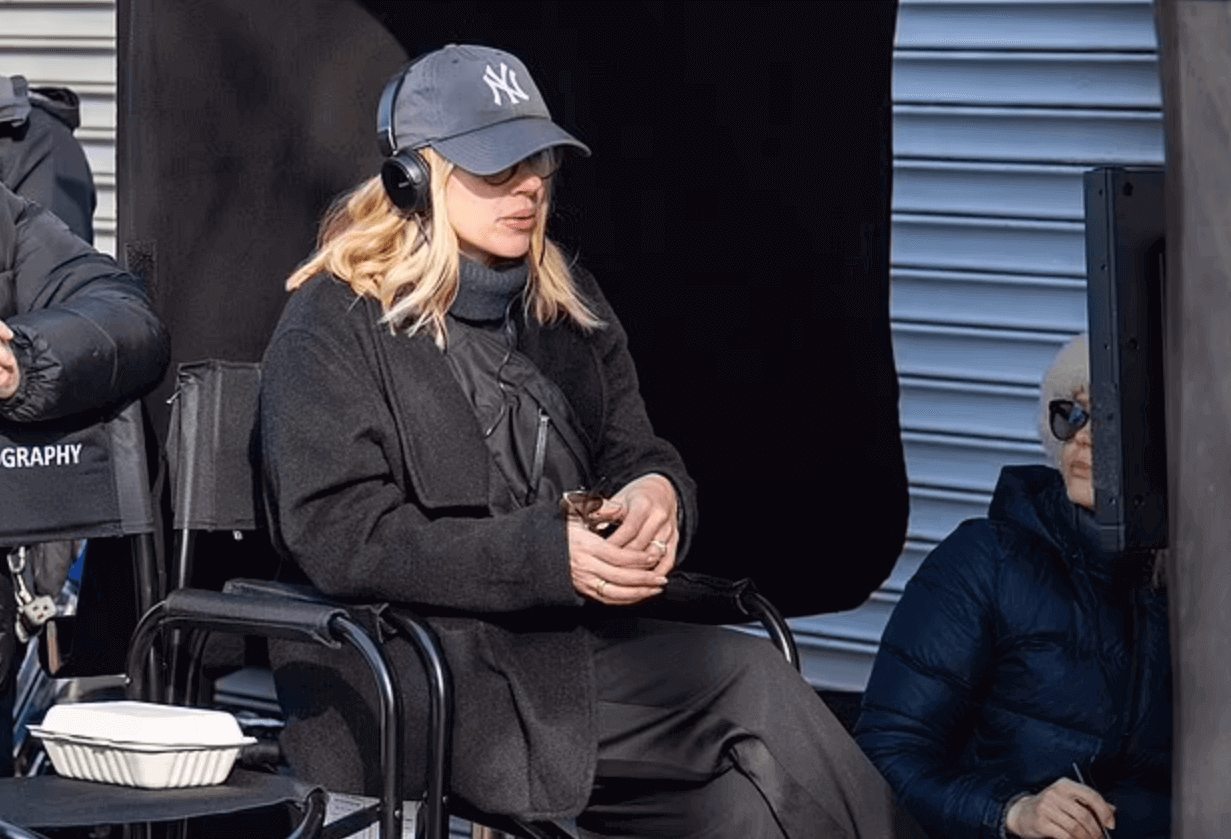
Eleanor the Great (2025) – Scarlett Johansson
A 94-year-old woman moves to New York after her best friend dies, accidentally impersonates a Holocaust survivor, and finds unexpected friendship. Johansson’s directorial debut premiered in the Un Certain Regard section at Cannes 2025.
The Chronology of Water (2025) – Kristen Stewart
Adapted from Lidia Yuknavitch’s memoir. Stewart’s first feature film as a director premiered at Cannes 2025, also in Un Certain Regard. Visually experimental and deeply raw.
Actor-to-Director Debut Comparison
Side-by-Side Overview
| Category | Booksmart (2019) | Woman of the Hour(2024) | Eleanor the Great(2025) | The Chronology of Water(2025) |
|---|---|---|---|---|
| Director | Olivia Wilde | Anna Kendrick | Scarlett Johansson | Kristen Stewart |
| Festival Debut | SXSW | TIFF | Cannes (Un Certain Regard) | Cannes (Un Certain Regard) |
| Genre | Teen comedy, coming-of-age | True crime, psychological drama | Comedy-drama, character study | Experimental memoir adaptation |
| Critical Response | ⭐️⭐️⭐️ Highly acclaimed | ⭐️⭐️ Praised for tone & restraint | ⭐️⭐️ Warm, emotional, soft | ⭐️ Quietly respected, divisive |
| Directorial Style | Snappy, modern, witty | Measured, focused, restrained | Soft, emotionally intuitive | Bold, fragmented, poetic |
| Standout Feature | Genre reinvention | Reclaims true crime for women | Subtle humanity, elder protagonist | Emotional and sensory non-linearity |
| Awards / Sales Impact | Golden Globe noms, breakout | Netflix acquisition, critical buzz | Cannes ovation, solid reviews | Critical buzz in indie/queer cinema |
| Cultural Legacy | Gen Z staple, widely loved | Feminist retelling of media trauma | Mature debut, under-the-radar | Gritty, niche, very indie |
| Main Limitation | Familiar structure | Modest scope, less flashy | Doesn’t challenge visual form | Not accessible, too abstract for some |
Summary: What Each Director Nailed
| Category | Best Example | Why It Stands Out |
| Most Culturally Impactful | Booksmart (Wilde) | Redefined the genre, launched a directorial career |
| Most Tightly Directed | Woman of the Hour (Kendrick) | Balanced tone, pacing, and character control |
| Most Emotionally Moving | Eleanor the Great (Johansson) | Honest, layered emotional tone |
| Most Visually Ambitious | Chronology of Water (Stewart) | Risky, poetic, personal, but divisive |
You Had No Idea…
American Psycho (2000) – Mary Harron
Yes, the film about Patrick Bateman was directed by a woman. Harron satirized toxic masculinity before it was mainstream.
The Babadook (2014) – Jennifer Kent
Often cited as a landmark horror film directed by a woman, The Babadook gained critical acclaim for its psychological depth and cultural impact. A grief-soaked masterpiece that turned motherhood and mental illness into haunting metaphors, and later became an unexpected gay icon within queer communities.
You Were Never Really Here (2017) – Lynne Ramsay
Joaquin Phoenix stars in this minimalist, psychological revenge thriller. Ramsay’s direction balances brutality with silence, trauma with style.
How Women Shaped Culture (Even When Hollywood Tried to Ignore Them)
Women have been shaping the culture, on stage, on screen, and behind the camera. Whether rewriting what survival looks like, reclaiming their voices from silence, or literally owning the rights to their work, they’ve been doing the real directing all along.
(Not to name names, but some actresses seem more comfortable shaping a brand than shifting power, and might ruin decade hardwork in gender disparity.)
Here’s what shaping culture actually looks like and what the challenges are;
She didn’t just change pop, she changed the business model.
Long before it trended, Cassie was surviving in plain sight. Here’s why her silence was never weakness.
The brand is polished. The silence is louder. When power is a PR product that could ruin progress in gender disparity.
Why inclusion still makes people uncomfortable, and who bears the cost of “debate.”
Anna Kendrick’s debut asked a bigger question: What does survival actually look like, when no one’s listening?