
“Size doesn’t matter” has been repeated so often it sounds like a consolation, an awkward whisper to soothe fragile egos. But what if it’s not just a polite lie? What if it’s a misunderstood truth tangled in cultural noise? What if it goes beyond the bedroom stereotypes?
This piece takes a raw, research-backed look at what truly drives sexual satisfaction across genders and orientations. Spoiler: it’s not about length, it’s about depth, just not the kind you think.
Sexual pleasure isn’t a one-size-fits-all equation. Anatomy, emotion, technique, safety, and cultural scripts all shape the experience. By untangling myth from science, we can start to reclaim intimacy without pressure, starts with unlearning the shame, the pressure, and the marketing.
Part I: Size Doesn’t Matter – Anatomy Says So
The Penis: Average Is the Norm
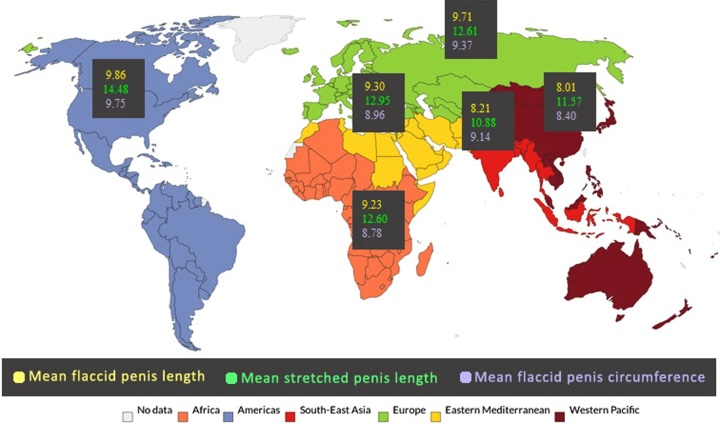
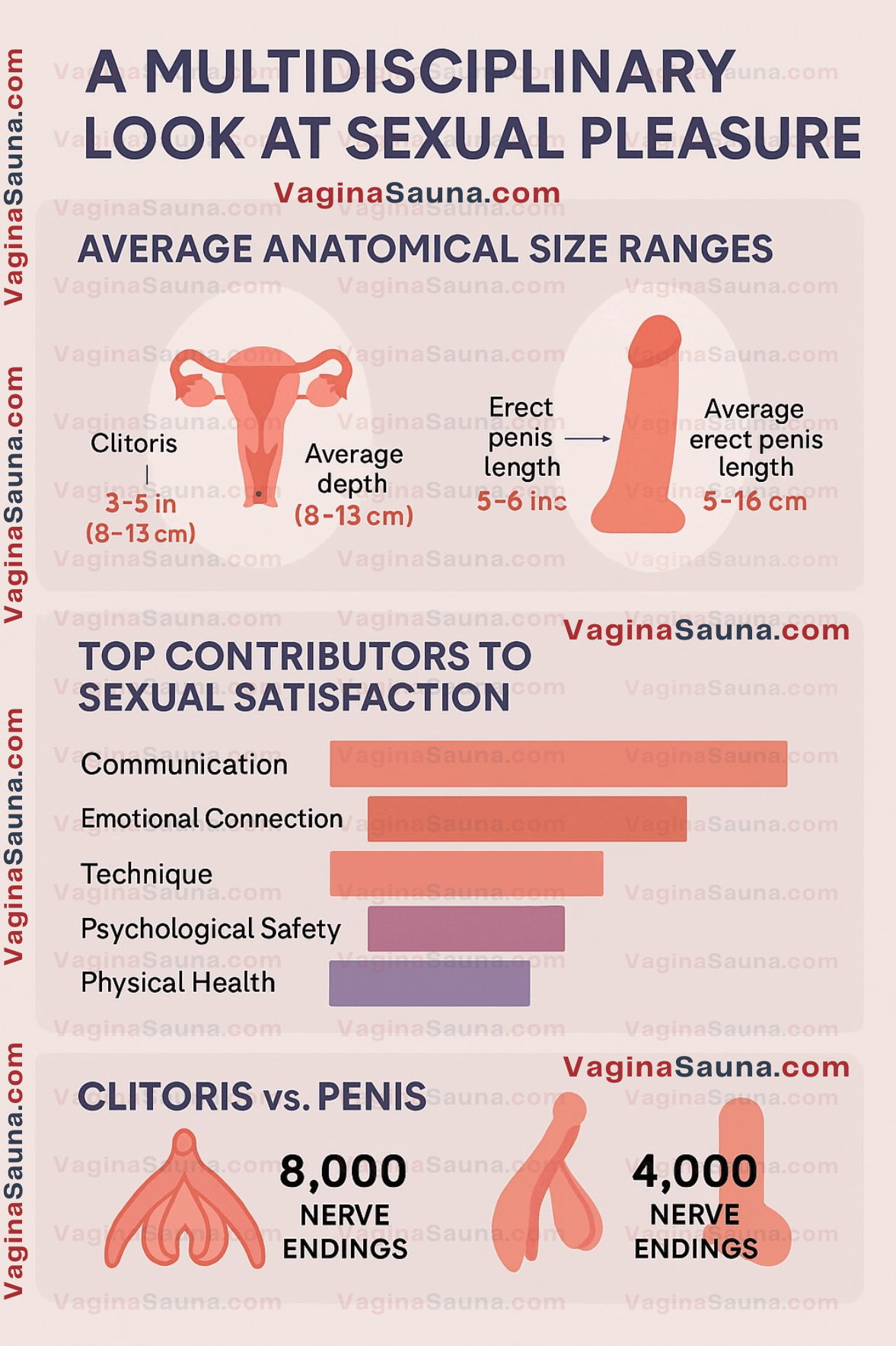
Most men are average, and that’s statistically true. Erect penis length globally hovers around 13.8 cm (5.4 in). Less than 0.6% of men fall below the clinical micropenis threshold. While porn and pop culture idolize extreme size, studies show 85% of women are satisfied with their partner’s size. Interestingly, 55% of men still wish they were bigger.
This gap is more than physical, it’s psychological. It stems from cultural expectations, performance anxiety, and the lingering myth that size equals masculinity.
From boyhood, many men are conditioned to equate their worth with their body.
In reality, it’s rarely the thing that makes sex better. Most partners aren’t looking for a ruler, they’re looking for presence.
The Vagina & Clitoris: The Real MVP
Vaginas are elastic, ranging from 5 to 13 cm in depth. But most female pleasure doesn’t come from deep penetration. Only 18% of women orgasm through penetration alone. The rest? They need clitoral stimulation.
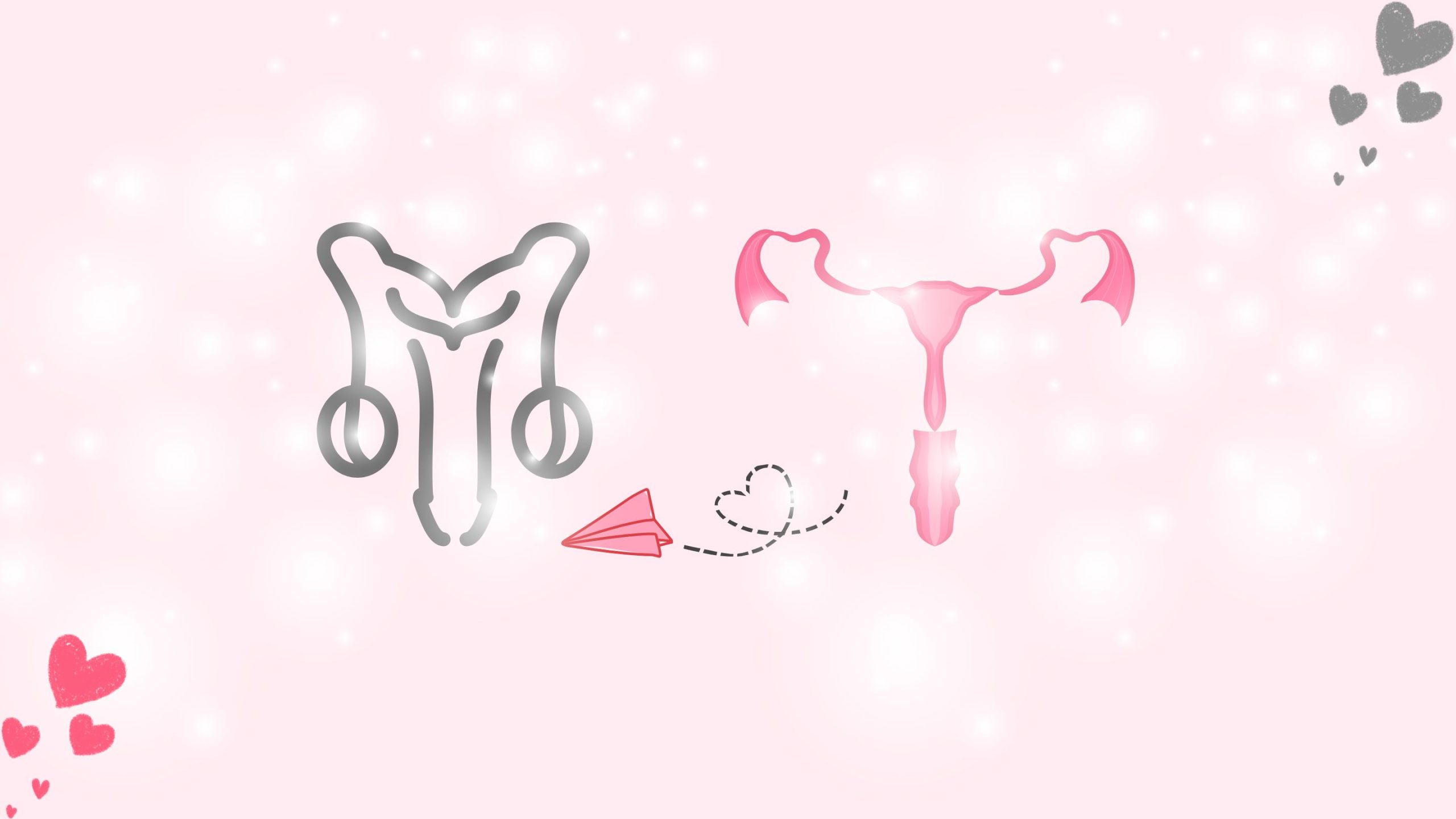
The clitoris is a complex organ with over 8,000 nerve endings, more than the penis. Its internal structure includes arms and legs that wrap around vaginal tissue. Yet for decades, it was ignored in sex education and medical texts.
Understanding clitoral anatomy isn’t just trivia. It’s the gateway to better intimacy. It shifts the focus from “doing enough” to being present, responsive, and curious.
Part II: Same-Sex Sex & The Illusion of Size (it doesn’t matter)
Gay Men: Double the Pressure, Same Results
In male-male sex, penis size is more visible and more scrutinized. But satisfaction levels? No major differences from straight couples. Gay men often report fulfillment through communication, emotional intimacy, and prostate play.
Queer relationships often normalize boundary talks early on where sex is discussed, not just assumed. This cultural openness changes everything, it turns sex into a shared experience, not a performance.
Lesbian Women: No Penis, Still Plenty of Orgasms
Lesbian couples report the highest rates of orgasm per encounter. Why? Because pleasure isn’t anatomy-dependent. It’s build on time, technique, attention, and communication.
When you remove the pressure to perform, what’s left is intention. Sex becomes co-created.
It’s less about “doing it right” and more about staying tuned in.
Part III: So If Size Doesn’t Matter, What Does?
- Communication Good sex begins with dialogue. “Do you like this?” does more than any assumption. Couples who talk openly enjoy deeper intimacy. Open dialogue builds trust and leads to better sex every time.
- Emotional Connection Safety, respect, and emotional presence enhance physical pleasure. Trust builds room for exploration. Your brain wants to feel safe before your body opens up.
- Technique & Variety From foreplay to rhythm, positions to toys, what you do matters more than what you have. Technique always wins over size. Think less gifted, more skilled.
- Psychological Safety Confidence and comfort shape desire. When you feel accepted, you show up more fully.Great sex happens when no one’s pretending. Feeling free to laugh, mess up, and explore without shame is far more erotic than trying to impress.
- Physical Health & Arousal Lube, hydration, and fitness affect arousal. But size? Still not the deciding factor. It’s how you show up, not what you’re packing.
- Curiosity Exploration is powerful. The mindset of “let’s figure this out together” creates room for joy, it’s sexier than any move. A playful mindset keeps things fresh, and pressure-free.
Part IV: Why Size Still Matters in Culture (But Not in Bed)
The Ancient Greeks admired smaller penises. They saw them as symbols of self-control, intellect, and restraint. In contrast, their art mocked oversized members as grotesque or beastly.
Modern porn flipped the script. Size became synonymous with dominance and desirability, but the biology hasn’t changed. The clitoris still has 8,000 nerve endings. Vaginas are still 5–13 cm deep. The obsession with size is cultural, not anatomical. Our myths, silence, and media distort reality. It’s time to unlearn.
New Facts That Shape the Narrative
1. Genital Size as a Proxy for Masculinity Boys often associate size with worth. Since emotional strength goes unvalidated, size becomes the metric.
2. Social Comparison Theory People gauge themselves against distorted mirrors: porn, locker rooms, dick jokes. In a world of visual extremes, being average feels like failing.
3. Performance Anxiety & Identity If “bigger is better” becomes the standard, anything less feels like inadequacy. That pressure disconnects men from pleasure and presence, turning sex into a silent stress test.
4. Evolutionary Leftovers (with a twist) Physical dominance once mattered. But there’s no evolutionary link between penis size and reproductive success. The myth is stronger than the gene.
5. Media, Porn & Commercial Myths From supplements to surgeries, capitalism monetizes insecurity. Size sells. But does it satisfy? The orgasm gap isn’t solved by inches, it’s closed by awareness.
6. Lack of Sex Education Without facts, myths and misinformation fills the void. Most people still don’t know that the clitoris matters more than penetration.
7. Silenced Vulnerability Men aren’t encouraged to speak about their insecurities. Instead, they joke, overcompensate, or internalize shame. Obsession with size often hides a deeper question: Am I enough?
You’re Probably More Than Enough
Yes, size doesn’t matter. Not because sex is irrelevant, but because it’s not the whole story. Technique, trust, and emotional presence matter infinitely more.
Most people already have what they need to give and receive pleasure. They just need better maps, not louder myths. Unlearning is the first act of intimacy.
You don’t have to measure up. You just have to show up, physically, mentally, and fully present.
Keep Exploring Pleasure, Power & Perception
When Kindness Gets Canceled and Controversy Gets Applauded
Explore how empathy became controversial—and why soft power makes people so uncomfortable.
Boundaries & Where the F to Find Them
Because pleasure without boundaries is just performance. Here’s how to unlearn the guilt and find your voice.
Winnie the Pooh and Pokémon: Mental Health, Growth & Escapism
From Pikachu to Piglet, what childhood icons teach us about identity, softness, and growing up weird.
Emotional Survival in Modern Relationships
Love can’t survive on vibes and attraction alone. Here’s what emotional sustainability actually looks like.
Keep Going Anyway: The Messy Middle of Inclusion
The world says you’re too much and not enough? Keep going anyway.