
“Simple life” is everywhere right now, and it looks very soothing on screen.
Sunlight through white curtains. A neutral mug on a wooden table. Someone typing gently with a caption like “slow living” or “soft life.” No traffic, no chaos, no leftover containers stacked in the sink.
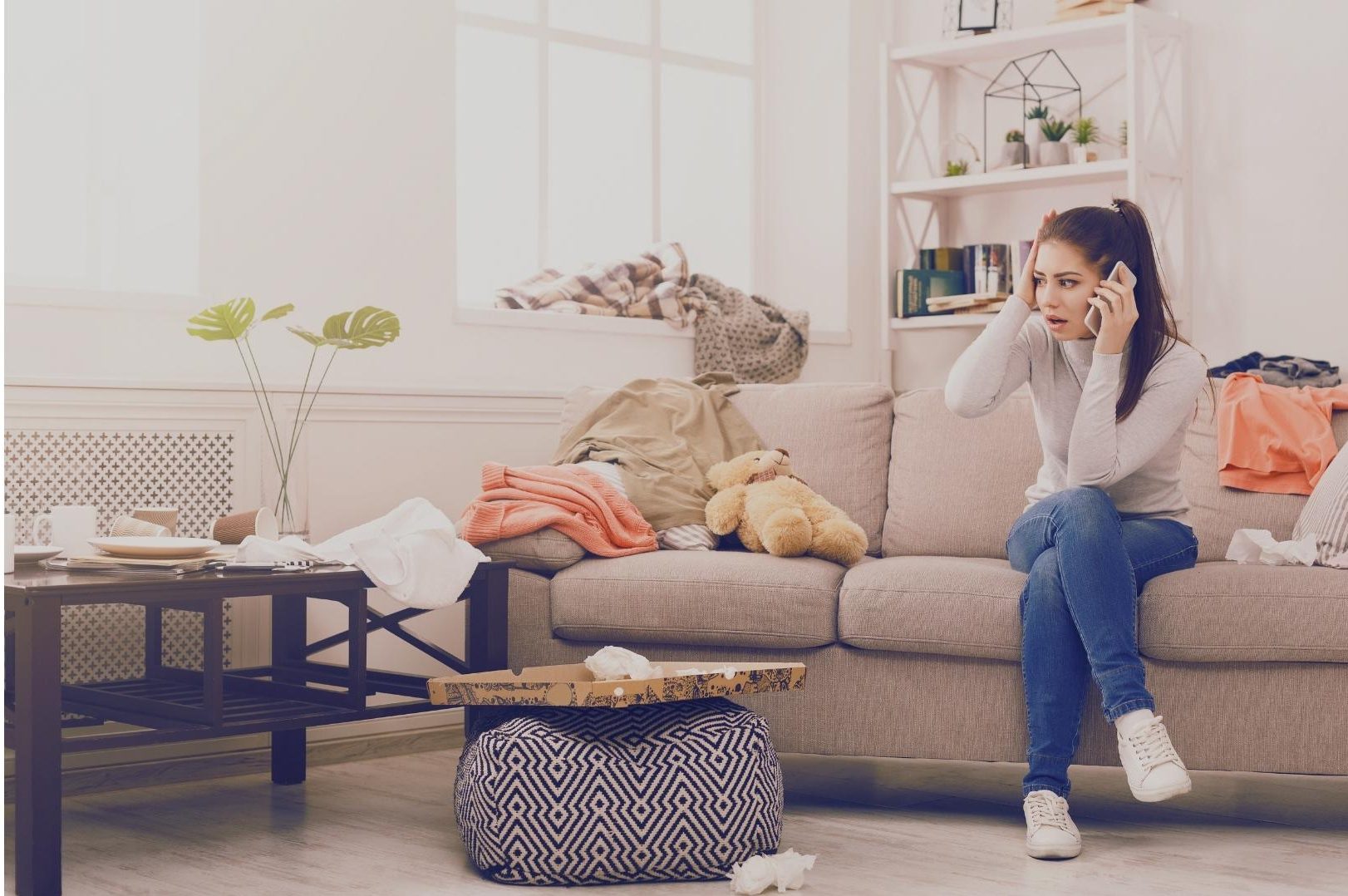
Then there’s our life: group chats, deadlines, family drama, half-folded laundry, and eating over the sink before the next call. It’s hard not to feel like we’re failing a test nobody explained.
We’re not.
When “simple” is actually a performance
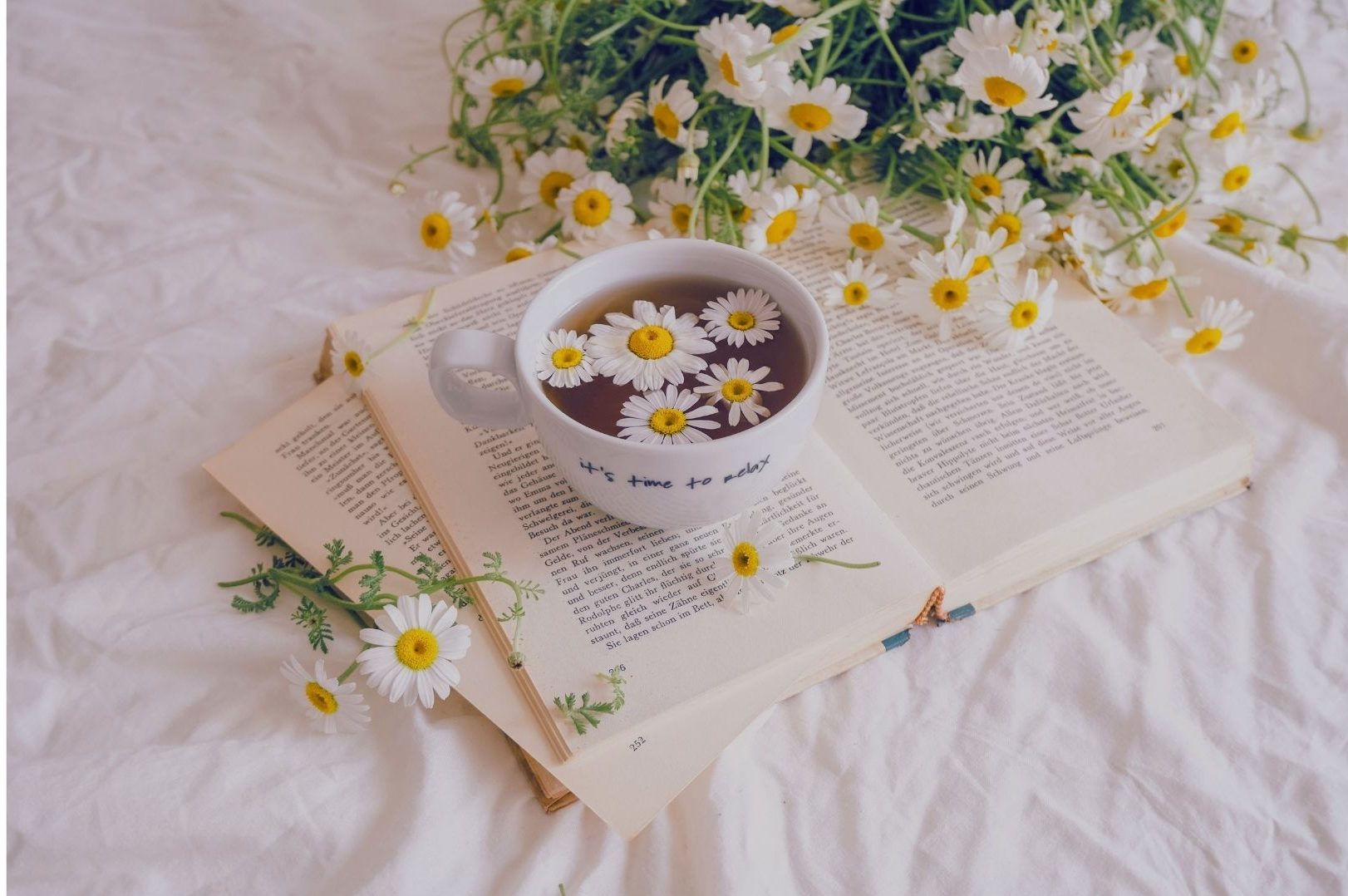
A lot of what we see isn’t simple, it’s produced. People rearrange corners, hide clutter, batch-film “slow mornings,” then post them as if life always feels like that. It doesn’t mean they’re lying. It just means we’re comparing our real Tuesday to someone else’s edited Sunday.
Psychology has a name for that small sting in the chest: social comparison. Our brains quietly stack our mess against someone else’s highlight reel and decide we’re behind, even when we’re just… normal.
Aesthetic Life – Sometimes it’s not peace, it’s control
For some people, minimalism and “soft life” really are a relief: less stuff, fewer demands, more rest. To some, it’s just a prettier form of denial. A perfectly curated desk hiding burnout. Fresh flowers in the kitchen while money, health, or relationships are crumbling off-screen. The aesthetic is calm, but the motive is panic:
If we can’t fix our life, at least we can make this one corner look okay.
And honestly, we can’t blame anyone for curating soft-looking lives online. In a world this loud and uncertain, we all reach for what soothes us, even if it’s just the illusion of quiet.
Performative wellness can also be a job. Some people, rightfully, treat it as one. That doesn’t make them fake. Just… working. In a world that monetizes peace, stillness, and beauty, some people turn their lifestyle into income. And that’s okay. Just like it’s okay if we don’t.
Not being able to copy that isn’t failure. It might just mean we’re too busy dealing with the parts they’re editing out.
You’re not bad at life. You’re just living a real one.
Maybe your version of “simple” is:
Eating instant noodles in peace after a long day
Getting 20 minutes of quiet before the house wakes up
Saying no to one more event because you’re tired
Having one friend you can be ugly-tired with on the phone
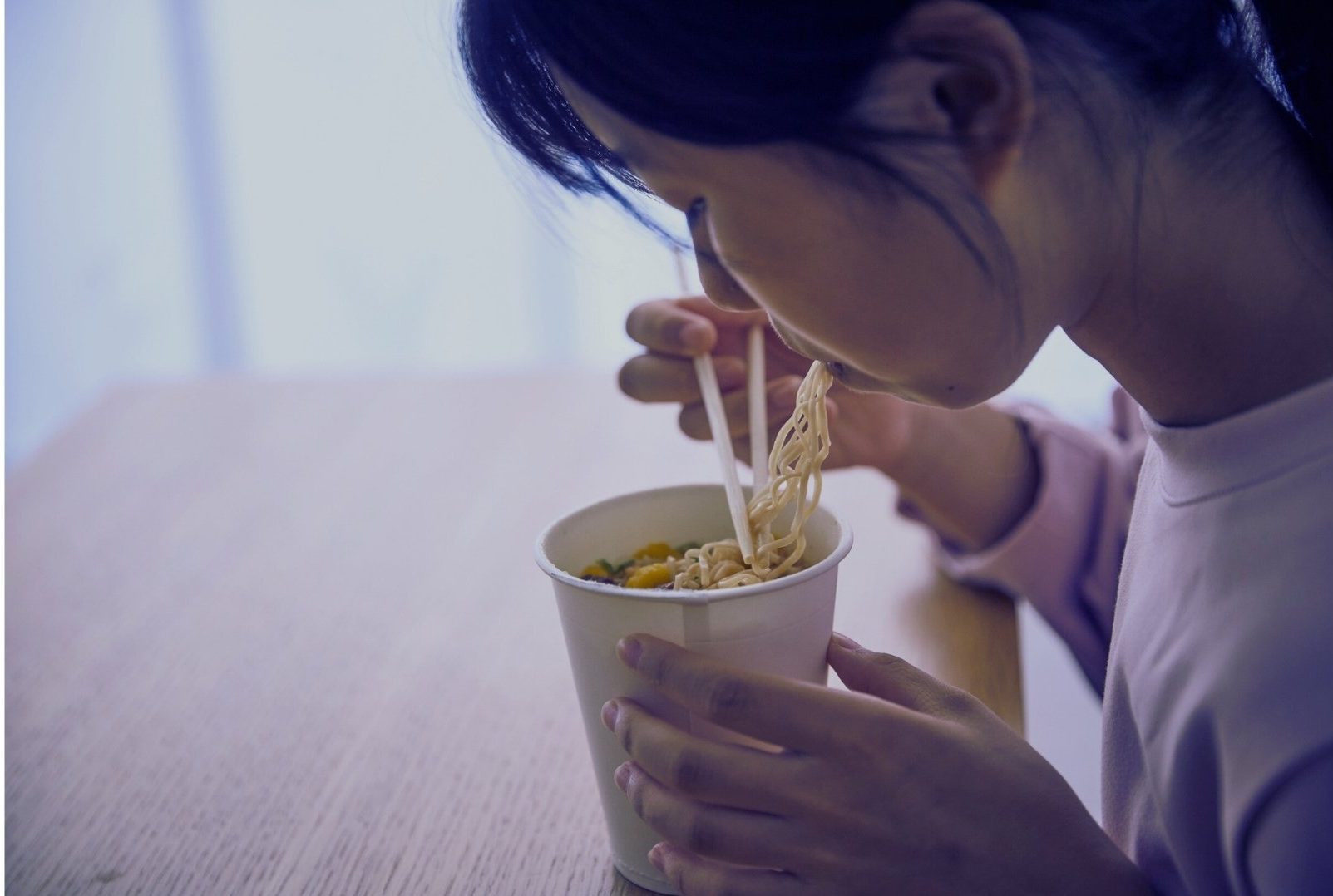
It won’t go viral, but it does workm it calms our system, and it gives us a little space, makes real life easier to live, and that’s the point. We don’t have to turn our survival into an aesthetic to make it valid. If we can’t afford the soft-life props, don’t want them, or are simply too tired to pose, that’s okay. We’re allowed to build a life that looks “loud” from the outside but feels kind on the inside.
Know we’re not behind, We’re just living. And that might be the most honest version of “simple” we’ll ever get.
It’s all part of being alive.

So if you’re ever tempted to feel small just because your life isn’t filtered, remember this: messy doesn’t mean meaningless. Survival has many forms. Not everyone gets to stage their peace. Maybe the real flex is making it through the day without turning it into content. Maybe the real glow-up is knowing what makes our life good, and deciding that’s enough.
We don’t have to chase aesthetics or match other people’s pace. Not every joy is postable. Some of them live in old text threads, homemade meals with weird plating, inside jokes, and the rare days where nothing went wrong. Some people build peace for the internet, some people build it in silence. Either way, it’s not a universal blueprint.
The quiet truth is this: life doesn’t need to look good to feel good. And if we’re living it, whatever way that looks, we’re doing just fine.
Happy Monday. 💛
🔗 Further Reading on VaginaSauna.com
If this made you feel seen (or lightly called out), you might like these:
FUN Monday #07: The Everyday Games of Over-Politeness
Small social performances we all do — and why they’re exhausting.
Reality Is Glitched – Know Where You’re Escaping To
On scrolling, escapism, and why “checking out” sometimes feels like survival.
Soft Life Glitch: Why Rom-Com Logic Doesn’t Survive Dating Apps
When aesthetic dreams meet real-world friction.
If you like receipts:
• Festinger, L. (1954). A theory of social comparison processes. Human Relations, 7(2), 117–140.
• Vogel, E. A., Rose, J. P., Roberts, L. R., & Eckles, K. (2014). Social comparison, social media, and self-esteem. Psychology of Popular Media Culture, 3(4), 206–222.
• Mascheroni, G., Vincent, J., & Jimenez, E. (2015). “Girls are addicted to likes so they post semi-naked selfies”: Peer mediation, normativity and the construction of identity online. Cyberpsychology, 9(1).